
Baby Developmental Milestones
(0–12 Months) | Free Checklist for Parents in Melbourne
If you’re wondering whether your baby’s development is on track, you’re not alone.
This free baby development milestones checklist is designed to help parents in Melbourne understand what to expect during the first 12 months, including when babies typically roll, sit, crawl and walk—and when it might be helpful to seek support.
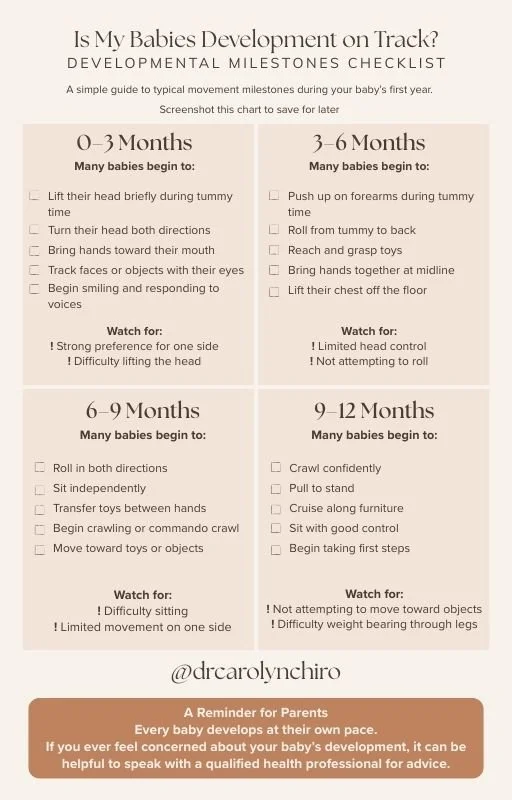
Download your free baby development checklist and feel more confident about your baby’s movement and milestones.
👉 Download the free guide by filling out your details below
What are baby developmental milestones?
Baby developmental milestones are the movement and neurological skills babies develop in the first year, including:
Head control
Rolling
Sitting
Crawling
Standing and walking
These milestones reflect how your baby’s brain, nervous system and body are developing together.
Why early movement matters for your baby
Movement in the first year plays a key role in:
Brain development
Coordination and balance
Postural strength
Sensory processing
Giving your baby opportunities to move freely helps support healthy development.
When should you be concerned about your baby’s development?
While every baby develops at their own pace, some signs may indicate your baby would benefit from support, including:
Strong side preference
Difficulty lifting their head
Delays in rolling or sitting
Asymmetrical movement
Early assessment can help identify whether your baby needs support.
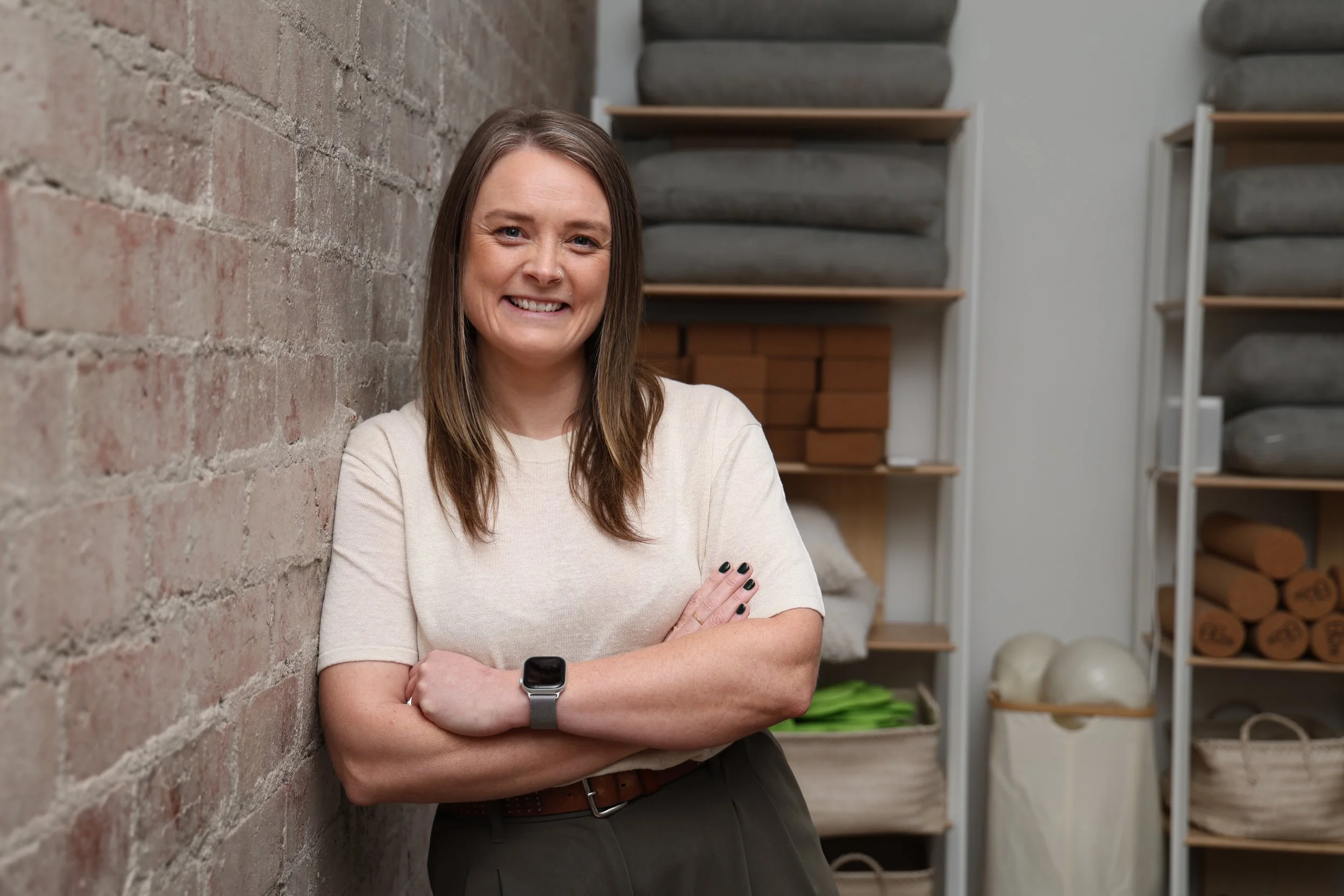
Hi, I'm Dr Carolyn Hawke, a chiropractor with a special interest in pregnancy, postpartum care and children's development.
I created this checklist to help parents feel confident supporting their baby's early movement and development.
I practice at Pando Society in Elwood, supporting families across St Kilda, Balaclava, Brighton and Bayside Melbourne.
Download your free baby development checklist
FAQs
-
Many babies begin rolling during the first half of the first year, though timing can vary.
-
Short, frequent sessions often work better than long ones. The guide includes milestone context to help you understand what to look for.
-
Sitting usually develops after earlier head, neck, and trunk control have been building.
-
Not always. Babies develop at different rates, but some signs are worth checking in on earlier.